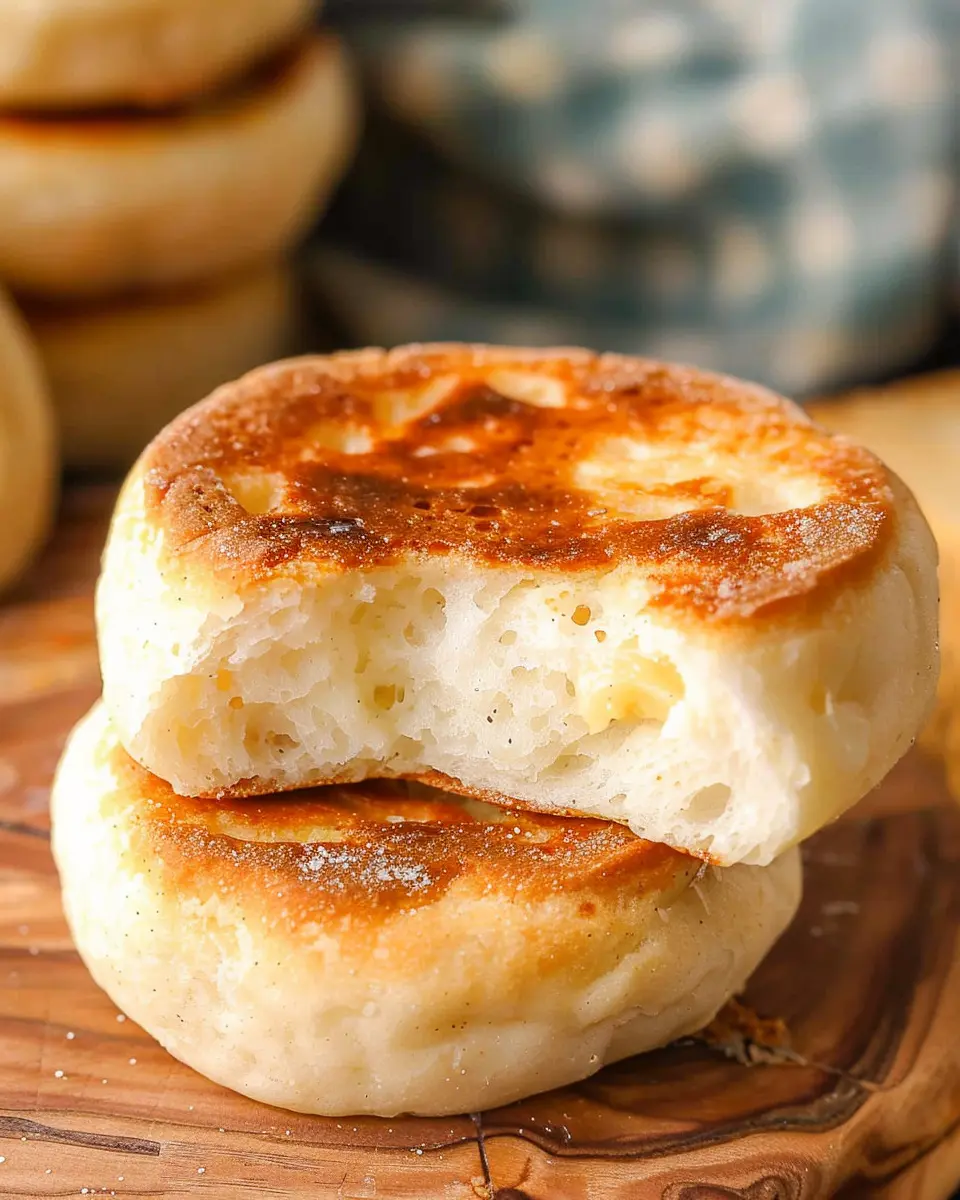
Introduction to Homemade English Muffins
There’s something wonderfully satisfying about crafting your own breakfast staples from scratch. If you’re a fan of homemade English muffins, you’re in for a treat! Not only do they taste amazing, but they are also incredibly versatile. Picture this: golden-brown muffins that perfectly cradle your favorite spreads, or serve as the base for a hearty breakfast sandwich featuring turkey bacon or chicken ham.
Why Make Your Own English Muffins?
Making your own English muffins at home allows you to control the ingredients and customize the flavors to your liking. Ever noticed how a store-bought muffin can sometimes lack flavor or have an overly chewy texture? With your homemade version, you can achieve that golden crust and soft, airy interior every time. Moreover, when you know exactly what’s in your food, you can avoid artificial preservatives and additives, which are often found in commercially made options.
But there’s more! According to a study by the International Journal of Gastronomy and Food Science, preparing your own bread products can significantly enhance your appreciation of food. Baking can be therapeutic and serves as an excellent way to engage with your culinary creativity. Plus, imagine the joy of pulling a tray of freshly baked muffins from your oven, the yeasty aroma filling your kitchen. It makes all the effort worth it!
Here’s another thought: homemade English muffins are perfect for batch cooking. You can whip up a dozen and freeze some for busy weekday breakfasts, saving you time without sacrificing taste or quality. Simply toast them straight from the freezer, and you’ll have a restaurant-quality breakfast in minutes!
For those interested in experimenting with flavors, you can mix in ingredients like whole grains, herbs, or even cheese to create unique and delightful variations. It’s a culinary adventure that can easily impress your friends and family.
Ready to dive into the homemade English muffin recipe? Let’s get started with the essentials, so you, too, can discover the joy of making these delightful treats right in your own kitchen!

Ingredients for Homemade English Muffins
Creating your own homemade English muffins allows you to customize flavors and freshness like never before! Here’s what you’ll need to whip up a batch of these delightful breakfast treats:
- All-Purpose Flour: About 4 cups, essential for that perfect texture.
- Yeast: 2 teaspoons of active dry yeast will help your muffins rise beautifully.
- Milk: 1 cup of warm milk (around 110°F) nourishes the yeast.
- Sugar: Just a tablespoon for a hint of sweetness.
- Salt: A teaspoon will bring out all the flavors.
- Butter: 2 tablespoons of melted butter adds richness.
- Cornmeal: For dusting and that classic, crunchy exterior.
If you want to learn more about the importance of fresh ingredients, check out this resource. Investing in quality products can elevate your baking game! Also, consider adding your favorite mix-ins, like herbs or spices, to make your homemade English muffin recipe uniquely yours. With these simple ingredients, you’re well on your way to enjoying warm, toasty muffins anytime you fancy!
Preparing Homemade English Muffins
Making homemade English muffins from scratch is a delightful culinary journey that can truly elevate your breakfast, brunch, or snack game. Understanding the meticulous but rewarding process will ensure that you create golden, nooks-and-crannies-filled muffins that perfectly hold your favorite toppings. Let’s dive into each step of the homemade English muffin recipe, ensuring a fun baking experience along the way!
Activate the yeast
Start by awakening your yeast to create that essential rise in your muffins. In a small bowl, combine warm water (about 110°F) and a packet of active dry yeast. Sprinkle a bit of sugar over it to nourish the yeast as it wakes up.
- Let this mixture sit for about 5-10 minutes or until it becomes frothy. This step is vital as it signals that your yeast is alive and ready to work its magic. If your mixture doesn’t foam, consider starting over with fresh yeast.
Combine wet ingredients
Now that your yeast is activated, let’s combine our wet ingredients. In a large bowl, whisk together:
- Milk (you can use whole, low-fat, or even plant-based milk)
- Melted butter (be sure to let it cool slightly to avoid cooking the yeast)
- Your frothy yeast mixture
- A dash of salt for flavor
Mix these ingredients thoroughly — the butter will help give your muffins that delightful flavor and texture.
Mix in dry ingredients
Once your wet mixture is smooth, it’s time to introduce the dry ingredients into the mix. Gradually add in:
- All-purpose flour (around 3 to 4 cups)
- A bit more sugar for sweetness
Stir gently with a wooden spoon or spatula, allowing the flour to incorporate fully without overwhelming the batter. Don’t worry if it’s a bit sticky; that’s expected!
Knead the dough
Kneading is where the magic happens! Dust your clean countertop with a sprinkle of flour and transfer your dough onto the surface. Knead the dough for about 5-7 minutes, adding a little extra flour if it feels too sticky — but be cautious, as you don’t want to make it too dry. The goal is to develop gluten, which will give your muffins a wonderful texture.
First rise of the dough
Now, place your kneaded dough into a large greased bowl, turning it so that the surface is lightly coated. Cover the bowl with a kitchen towel or plastic wrap to trap warmth. Allow it to rise in a warm, draft-free area for about 1 to 1.5 hours, or until it has doubled in size. If you’re short on time, a warm oven (turned off) can create a perfect environment for this rise!
Cut and shape the muffins
Once your dough has risen, it’s time to shape the English muffins. Gently punch down the dough to release air, then roll it out onto a floured surface to about ¾ inch thick. Use a round cutter (or the rim of a glass) to cut out your muffins. Transfer them to a floured baking sheet, giving them space to rise.
Second rise of the muffins
Now they just need a little more time to puff up. Cover the muffins again with a towel and let them rise for another 30 minutes until they look noticeably plump.
Cooking the muffins
Finally, let’s cook these delightful creations! Preheat a large skillet or griddle on low heat — patience is key here, as high heat can burn the outsides before the insides cook through. Cook each muffin for about 7-10 minutes on each side until golden brown and cooked through. Cool them on a wire rack for that ideal texture.
And there you have it! Enjoy your freshly made homemade English muffins sliced open and topped with Turkey Bacon, Chicken Ham, or even slathered with your favorite jam. This process may take a little time, but the results are undeniably satisfying. Share your creations, and let’s spread the love for baking!
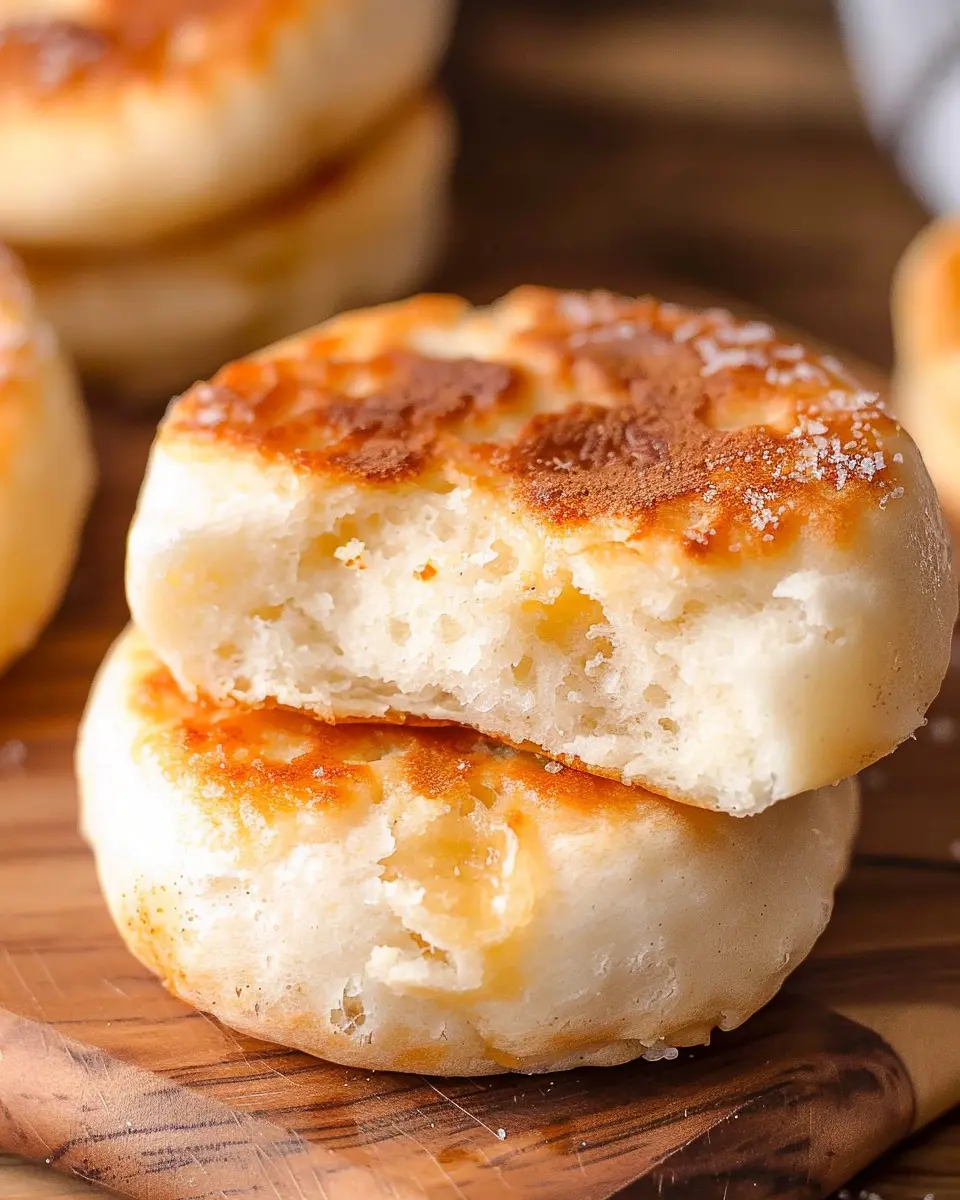
Variations on Homemade English Muffins
Exploring variations on your homemade English muffin recipe can take breakfast or brunch to a whole new level. Here are three delightful adaptations you can easily whip up!
Whole Wheat English Muffins
If you’re looking to make your homemade English muffins a bit healthier, consider using whole wheat flour. This variation not only adds a nutty flavor but also incorporates more fiber into your diet. Simply substitute half of the all-purpose flour with whole wheat. This will give your muffins a heartier texture and a wholesome touch!
- Tip: Make sure to add a little extra water if the dough feels too dry. Whole wheat flour absorbs more moisture.
Cheddar and Chive English Muffins
Imagine biting into a warm muffin, only to find a savory surprise inside! By adding shredded sharp cheddar cheese and fresh chives to your dough, you create a deliciously cheesy treat that’s perfect for breakfast or as an accompaniment to soup. The rich flavor of cheddar pairs perfectly with the aromatic herbs.
- Mix-ins: You can also experiment by incorporating garlic powder or even diced turkey bacon for an added depth of flavor.
Cinnamon Raisin English Muffins
For a sweet twist, why not try cinnamon raisin English muffins? Incorporating cinnamon into the dough along with a generous amount of raisins will satisfy your sweet tooth while keeping the muffin light and fluffy. For an added touch, you can even brush the baked muffins with a light mixture of melted butter and a sprinkle of cinnamon sugar.
- Serving suggestion: These muffins taste marvelous toasted and spread with cream cheese or a touch of butter.
With these variations, your homemade English muffins can be as diverse as your cravings! For more ideas and recipes, check out King Arthur Baking and BBC Good Food.
Cooking Tips and Notes for Homemade English Muffins
When it comes to your homemade English muffin recipe, a few tips can make all the difference. First, consider using a kitchen thermometer to ensure your water is at the right temperature (about 110°F to activate the yeast effectively). This step can be a game-changer for rising.
Ingredient Quality Matters
- Opt for high-quality flour, preferably bread flour, as it has more gluten, which leads to that delightful chewiness.
- Fresh yeast can also make a noticeable difference. If you’re unsure about your yeast’s activity, proof it in warm water with a pinch of sugar before mixing.
Cooking Techniques
- Cook your muffins on a griddle or a skillet at a low temperature. Patience is key—this ensures they cook evenly and get that beautiful golden crust without burning.
- Flip them carefully, as they can be soft while cooking; you want to keep that airy interior intact.
For more baking tips, check out resources like King Arthur Baking. Happy baking!
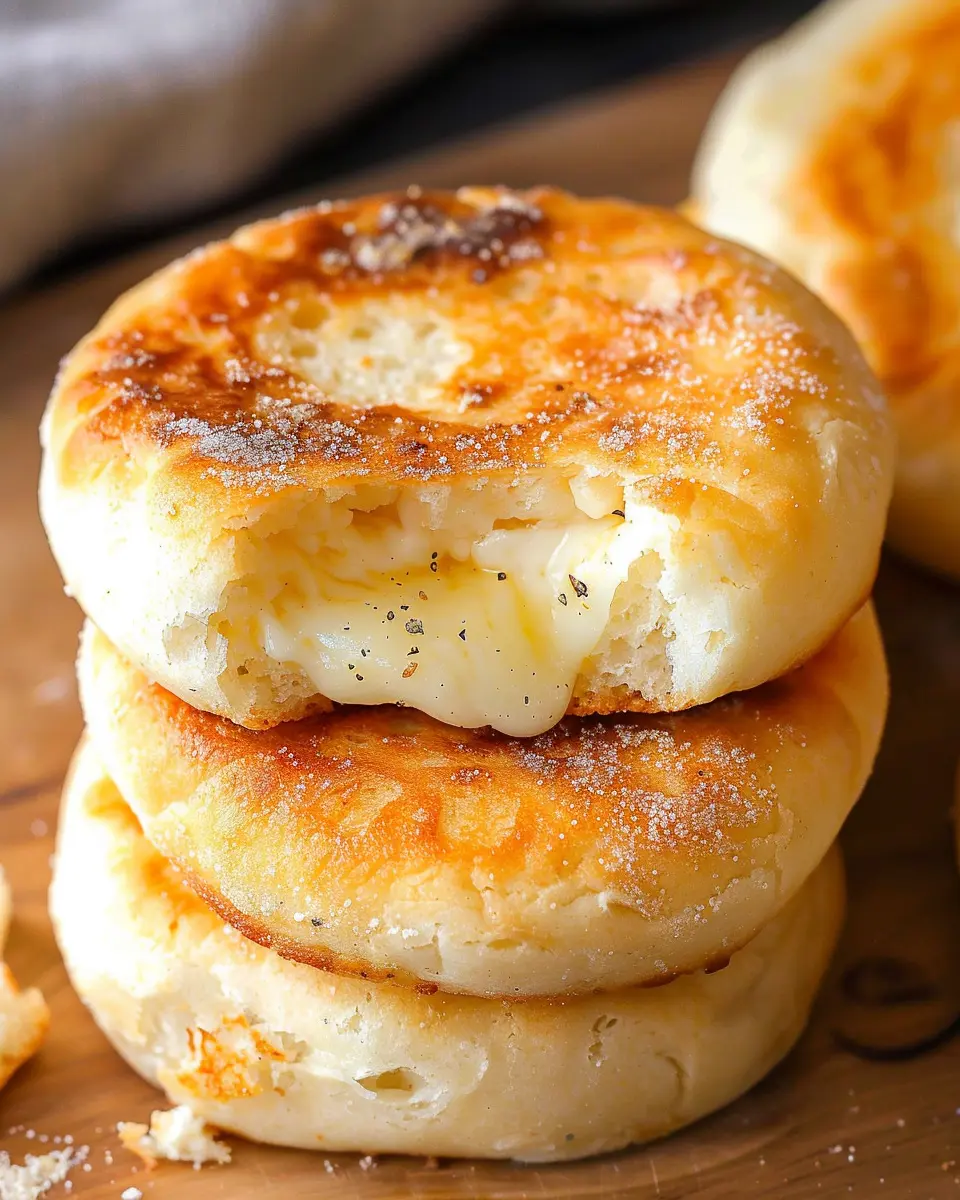
Serving Suggestions for Homemade English Muffins
When you whip up a batch of your own homemade English muffins, the possibilities for enjoying them are nearly endless! Here are some delicious ways to serve your freshly baked treats.
Classic Breakfast Sandwiches
Start your day off right with a classic breakfast sandwich. Simply split a warm muffin and layer it with:
- Scrambled eggs
- Turkey bacon or chicken ham
- A slice of gooey cheddar cheese
This hearty combination is perfect for busy mornings or leisurely brunches alike.
Sweet Treats
If you’re in the mood for something sweet, try spreading butter and a drizzle of honey over a toasted muffin. Alternatively, top it with your favorite jam or fresh fruit. For a delightful twist, consider pairing it with Greek yogurt for added protein.
Savory Toppings
For a savory snack, why not go for smashed avocado? Top your toasted muffin with sliced avocado, a sprinkle of salt, and a bit of red pepper flakes. It’s a healthy, trendy option that’s sure to impress!
No matter how you choose to serve your homemade English muffin recipe, these ideas will take your meal to the next level. Think of adding these muffins to your meal prep for the week—what’s your go-to topping?
For more fun serving suggestions, check out EatingWell or BBC Good Food.
Time Breakdown for Homemade English Muffins
Preparation Time
Getting your ingredients ready for this homemade English muffin recipe takes about 15 minutes. Make sure to gather your flour, yeast, and any other delightful additions you prefer. This short prep time sets you up for a delicious baking experience!
Cooking Time
The cooking process is quite straightforward and will only take around 15 minutes for each batch on the griddle. Keep an eye on those muffins; a perfect golden-brown finish is what you’re aiming for!
Total Time
From start to finish, plan for about 1 hour. This includes resting time for the dough to rise—around 30 minutes. Trust me, the wait is worth it when you enjoy that first warm, toasty muffin with some splendid Turkey Bacon and eggs!
For more tips and tricks on perfecting your baking, consider checking out resources from King Arthur Baking or America’s Test Kitchen, both of which offer great insights into the art of baking.
Nutritional Facts for Homemade English Muffins
When diving into the homemade English muffin recipe, it’s useful to understand what you’re fueling your body with. Here’s a quick look at the nutritional profile of these delightful breakfast delights.
Calories
A single homemade English muffin typically contains around 130-150 calories. This makes them a guilt-free option for breakfast or snacking!
Carbohydrates
Each muffin is packed with approximately 26-30 grams of carbohydrates. This is great for providing that much-needed energy to kickstart your day, especially if you’re heading out for a morning run or a busy workday.
Protein
With about 5-6 grams of protein per muffin, they offer a satisfying way to incorporate a boost of this essential nutrient into your meal. Pair your muffin with some Turkey Bacon or Chicken Ham for an even more protein-rich breakfast!
For more detailed nutritional insights, consider checking out resources like the USDA FoodData Central or nutrition analysis tools available online. Happy baking!
FAQs about Homemade English Muffins
Can you freeze English muffins?
Absolutely! You can freeze your homemade English muffins for up to three months without losing flavor or texture. Just allow them to cool completely, then place them in a resealable freezer bag, ensuring you remove as much air as possible. When you’re ready to enjoy them, simply toast them straight from the freezer or let them thaw at room temperature.
How do you store homemade English muffins?
To keep your English muffins fresh, store them in an airtight container at room temperature for up to a week. If you notice they’re not getting eaten fast enough, consider refrigerating them to extend their shelf life. Wrap individual muffins in plastic wrap or keep them in a sealable bag to help retain moisture.
What can I put on my English muffins besides butter?
Your homemade English muffin recipe opens a world of delicious toppings! Here’s a list to inspire your breakfast or snack game:
- Avocado: Smash some avocado and add a sprinkle of salt and pepper for a creamy, nutritious boost.
- Cream Cheese: Spread some cream cheese and top with smoked salmon for a delightful twist.
- Peanut Butter: A classic favorite, perfect for a quick energy-boosting snack.
- Greek Yogurt: Top it with some honey and fresh fruits for a healthy, tasty breakfast option.
- Turkey Bacon: Try it with crispy turkey bacon and sunny-side-up eggs for a savory treat.
For even more delicious topping ideas, check out this resource on creative breakfast ideas that can take your English muffin experience to the next level!
Feel free to experiment and find your favorite combos. Happy cooking!
Conclusion on Homemade English Muffins
Creating your own homemade English muffins is more than just a cooking project; it’s a rewarding experience that can elevate your breakfast or brunch game. The aroma of freshly baked muffins wafting through your kitchen is truly unbeatable. With simple ingredients and a bit of patience, you’re on your way to perfecting these delightful treats.
Serve them toasted with butter, or pile on your favorite toppings—think creamy avocado or savory Turkey Bacon. Plus, it’s a great way to impress friends and family! If you’re looking for other baking tips, check out resources like King Arthur Baking for more inspiration. Happy baking!
PrintHomemade English Muffin Recipe: The Best from Scratch Delight

Learn how to make delicious homemade English muffins from scratch with this easy and tasty recipe!
- Prep Time: 15 minutes
- Cook Time: 20 minutes
- Total Time: 1 hour 35 minutes
- Yield: 12 muffins
- Category: Breakfast
- Method: Baking
- Cuisine: American
- Diet: Vegetarian
Ingredients
- 4 cups all-purpose flour
- 2 teaspoons instant yeast
- 1 teaspoon salt
- 1 tablespoon sugar
- 1 ½ cups warm milk
- 2 tablespoons butter, melted
Instructions
- In a large bowl, combine warm milk and sugar. Stir in the yeast and let it sit for about 5 minutes until foamy.
- Add melted butter, salt, and flour gradually, mixing until a dough forms.
- Knead the dough on a floured surface for about 10 minutes until smooth.
- Place the dough in a greased bowl, cover, and let it rise for about 1 hour or until doubled in size.
- Punch down the dough, roll it out to about 1-inch thickness, and cut out circles.
- Place the cut muffins on a baking sheet, cover, and let rise for another 30 minutes.
- Preheat a griddle over medium heat and cook the muffins for about 6-7 minutes on each side until golden brown.
- Let cool before serving.
Notes
- Consider using a thermometer to check the milk temperature; it should be warm, not hot.
- You can add seeds or herbs to the dough for extra flavor.
Nutrition
- Serving Size: 1 muffin
- Calories: 150
- Sugar: 1g
- Sodium: 200mg
- Fat: 5g
- Saturated Fat: 3g
- Unsaturated Fat: 1g
- Trans Fat: 0g
- Carbohydrates: 23g
- Fiber: 1g
- Protein: 5g
- Cholesterol: 15mg